 Italian
  English
  French
  German
  Danish
Albania has steadily moved from “hidden gem” to a country travellers actively seek out. Located in Southeast Europe and still more affordable than most EU destinations, it attracts visitors who want variety without the high costs or crowds.
Some travellers discover Albania while researching budget-friendly trips. Others arrive intentionally, curious to see whether it really offers what social media and travel blogs promise.
In most cases, the experience is positive, but only if expectations are realistic.
This guide covers what travelling in Albania looks like in 2026, what has changed in recent years, and what you no longer need to worry about.
Entry Requirements and Travel Basics
For most travellers, entering Albania is straightforward.
- No visa is required for EU, UK, US, Canadian, Australian, and many other passport holders for short stays.
- Boarding passes do not need to be printed. Mobile boarding passes are widely accepted at Albanian airports.
- A passport is required; national ID cards are accepted only for certain neighbouring countries.
- There are no special health or COVID-related entry requirements as of 2026.
Airports, border crossings, and airline processes are largely digitised, and Albania no longer feels behind in basic travel infrastructure.
Driving Can Be Challenging
Noleggiare un'auto è molto comodo per esplorare il Paese a proprio piacimento. Tuttavia, una cosa da tenere presente è che guida in Albania can be a challenge, especially when there’s a lot of traffic.
Some rural areas don’t have the best infrastructure, and roads can be uneven.
Also, don’t be shocked if you spot locals riding a horse or a mule on village roads. This is common in the Albanian countryside.
Suggerimento: Se avete intenzione di visitare le destinazioni montane, assicuratevi di noleggiare il tipo di veicolo adatto. Non tutti sono adatti a questi terreni.
Se state cercando un'assicurazione auto in Albania, potete ottenere subito un preventivo dal nostro partner Albsig. Offrono sia l'assicurazione obbligatoria Assicurazione TPL e completo Assicurazione Kasko per una copertura completa.
Bring Cash With You

Credit card payment is not accepted everywhere in Albania, so always make sure to bring cash everywhere you go. For example, buses, some shops, and certain restaurants are not likely to operate by card.
The Euro is widely accepted in Albania; however, make sure you have some Lek with you in case some places only accept this currency.
Internet, SIM Cards, and Connectivity
Internet access in Albania is reliable and affordable.
- Wi-Fi is standard in accommodations, cafés, and restaurants.
- eSIMs and digital SIMs are widely used by travellers.
- Physical SIM cards are easy to buy in city centres (try to avoid purchasing them at the airport, as the cost is higher there)
Pubblico Trasporto is Accessible

Getting around Albania is relatively straightforward. The country has an extensive network of buses and minibuses (known as furgons) connecting major cities and towns. Taxis are also available, but if you’re on a budget and want to travel longer distances, it’s better to consider public transport.
To be honest, travelling by bus is uncomfortable; they get too crowded, depending on the bus line you take. A conductor typically collects the fare in the traditional way, and it costs 40 cents to travel to locations within a city.
Minibuses (called furgons) don’t have air conditioning most of the time, so it’s best to skip this way of transportation if that’s a dealbreaker for you.
To travel to other cities, look out for bus terminals. Usually, tourists opt for popular destinations like Gjirokastra, Vlora, and Saranda. The South and North Bus Terminal is where you should go. (You can take a taxi or a bus to get there).
Or Tirana East Bus Terminal to get to other Albanian destinations like Pogradec, Korça, etc.
Locals Are Very Friendly
Albanians are known for their hospitality, and they’ll go out of their way to assist you. They are welcoming and friendly, and this is something that surprises a lot of tourists.
Many locals speak English and are willing to help if you ask (actually, even if they don’t speak English, they’ll probably find a way to help).
Una cosa da tenere presente: Lo sguardo fisso è comune here. If you notice people staring at you in Albania, do not worry. People are just curious; they don’t have bad intentions.
Since we’re here, you can check out my guide on how to connect with expats in Albania.
Don’t Always Trust Google Maps
Google Maps può essere utile, ma può anche essere molto stressante se non vi guida correttamente. Ad esempio, a volte mostra percorsi più veloci che potrebbero essere fuori strada e accidentati.
Controllate sempre il percorso prima di guidare e scegliete le strade principali. Non vorrete certo ritrovarvi nel bel mezzo del nulla, soprattutto in un Paese sconosciuto.
Visit Other Places Nearby
If you want to visit as many places as you can, you can connect trips. For example, from Saranda, you can take a ferry that takes you to Corfu. From Shkodra, you can easily visit Montenegro. Or you can make a road trip to Ohrid, Macedonia, from Pogradec.
Best Time to Visit Albania
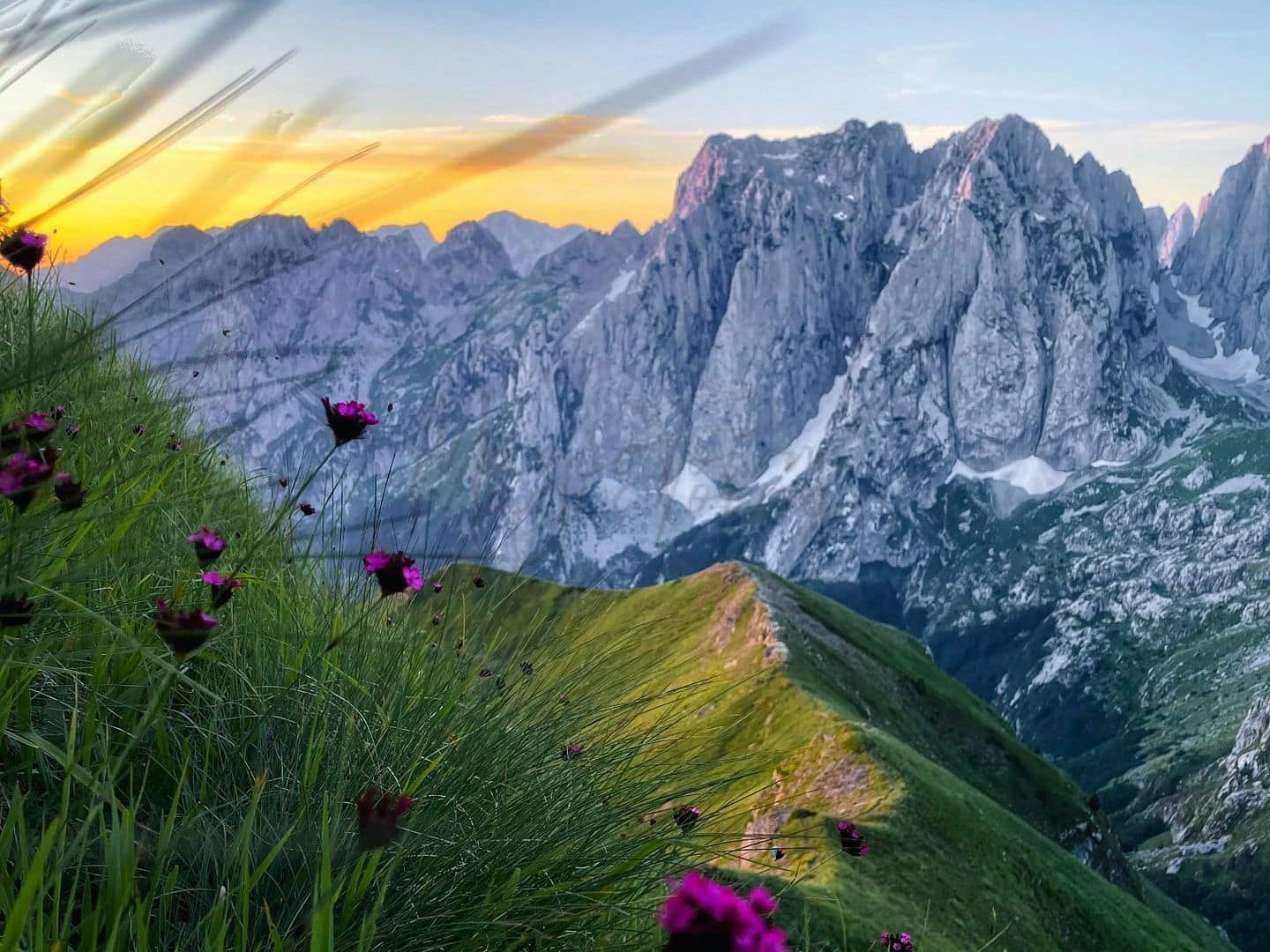
Il momento migliore per visitare l'Albania is during the less-crowded months, like June and September. These months offer pleasant weather, and you get to enjoy the sights more comfortably.
Sebbene l'inverno in Albania non sia troppo freddo, è meglio visitarla in primavera o all'inizio dell'autunno, per sperimentare le bellezze naturali del Paese senza la folla estiva.
Sicurezza e protezione
L'Albania è generalmente un paese sicuro per i viaggiatori. Nelle aree affollate è bene rimanere vigili, soprattutto nei luoghi di maggiore affluenza turistica.
Ready to Plan Your Trip?
This is your sign to book that ticket and plan your trip to Albania! We’re sure you’ll have an amazing time, and with these tips in mind, even a comfortable journey. For similar tips and a lot more valuable content on Albania, feel free to join our online community.
È stato utile?