 Danish
  English
  French
  German
  Italian
Albania has steadily moved from “hidden gem” to a country travellers actively seek out. Located in Southeast Europe and still more affordable than most EU destinations, it attracts visitors who want variety without the high costs or crowds.
Some travellers discover Albania while researching budget-friendly trips. Others arrive intentionally, curious to see whether it really offers what social media and travel blogs promise.
In most cases, the experience is positive, but only if expectations are realistic.
This guide covers what travelling in Albania looks like in 2026, what has changed in recent years, and what you no longer need to worry about.
Entry Requirements and Travel Basics
For most travellers, entering Albania is straightforward.
- No visa is required for EU, UK, US, Canadian, Australian, and many other passport holders for short stays.
- Boarding passes do not need to be printed. Mobile boarding passes are widely accepted at Albanian airports.
- A passport is required; national ID cards are accepted only for certain neighbouring countries.
- There are no special health or COVID-related entry requirements as of 2026.
Airports, border crossings, and airline processes are largely digitised, and Albania no longer feels behind in basic travel infrastructure.
Driving Can Be Challenging
At leje en bil er meget praktisk, når man vil udforske landet på sine egne præmisser. En ting, man skal huske på, er dog, at kørsel in Albania can be a challenge, especially when there’s a lot of traffic.
Some rural areas don’t have the best infrastructure, and roads can be uneven.
Also, don’t be shocked if you spot locals riding a horse or a mule on village roads. This is common in the Albanian countryside.
Tip: Hvis du har planer om at besøge bjergrige destinationer, skal du sørge for at leje den rigtige type køretøj. Det er ikke alle, der egner sig til den slags terræn.
Hvis du er på udkig efter bilforsikring i Albanien, kan du få et øjeblikkeligt tilbud nu fra vores partner, Albsig. De tilbyder både obligatorisk TPL-forsikring og omfattende Kasko forsikring for fuld dækning.
Bring Cash With You

Credit card payment is not accepted everywhere in Albania, so always make sure to bring cash everywhere you go. For example, buses, some shops, and certain restaurants are not likely to operate by card.
The Euro is widely accepted in Albania; however, make sure you have some Lek with you in case some places only accept this currency.
Internet, SIM Cards, and Connectivity
Internet access in Albania is reliable and affordable.
- Wi-Fi is standard in accommodations, cafés, and restaurants.
- eSIMs and digital SIMs are widely used by travellers.
- Physical SIM cards are easy to buy in city centres (try to avoid purchasing them at the airport, as the cost is higher there)
Offentlig Transport is Accessible

Getting around Albania is relatively straightforward. The country has an extensive network of buses and minibuses (known as furgons) connecting major cities and towns. Taxis are also available, but if you’re on a budget and want to travel longer distances, it’s better to consider public transport.
To be honest, travelling by bus is uncomfortable; they get too crowded, depending on the bus line you take. A conductor typically collects the fare in the traditional way, and it costs 40 cents to travel to locations within a city.
Minibuses (called furgons) don’t have air conditioning most of the time, so it’s best to skip this way of transportation if that’s a dealbreaker for you.
To travel to other cities, look out for bus terminals. Usually, tourists opt for popular destinations like Gjirokastra, Vlora, and Saranda. The South and North Bus Terminal is where you should go. (You can take a taxi or a bus to get there).
Or Tirana East Bus Terminal to get to other Albanian destinations like Pogradec, Korça, etc.
Locals Are Very Friendly
Albanians are known for their hospitality, and they’ll go out of their way to assist you. They are welcoming and friendly, and this is something that surprises a lot of tourists.
Many locals speak English and are willing to help if you ask (actually, even if they don’t speak English, they’ll probably find a way to help).
Der er én ting, man skal huske på: At stirre er almindeligt here. If you notice people staring at you in Albania, do not worry. People are just curious; they don’t have bad intentions.
Since we’re here, you can check out my guide on how to connect with expats in Albania.
Don’t Always Trust Google Maps
Google Maps kan være nyttigt, men det kan også være superstressende, hvis det ikke guider dig ordentligt. For eksempel viser den nogle gange hurtigere ruter, som måske er off-road og ujævne.
Tjek altid ruten, før du kører, og vælg hovedvejene. Du har helt sikkert ikke lyst til at ende midt i ingenting, især ikke i et ukendt land.
Visit Other Places Nearby
If you want to visit as many places as you can, you can connect trips. For example, from Saranda, you can take a ferry that takes you to Corfu. From Shkodra, you can easily visit Montenegro. Or you can make a road trip to Ohrid, Macedonia, from Pogradec.
Best Time to Visit Albania
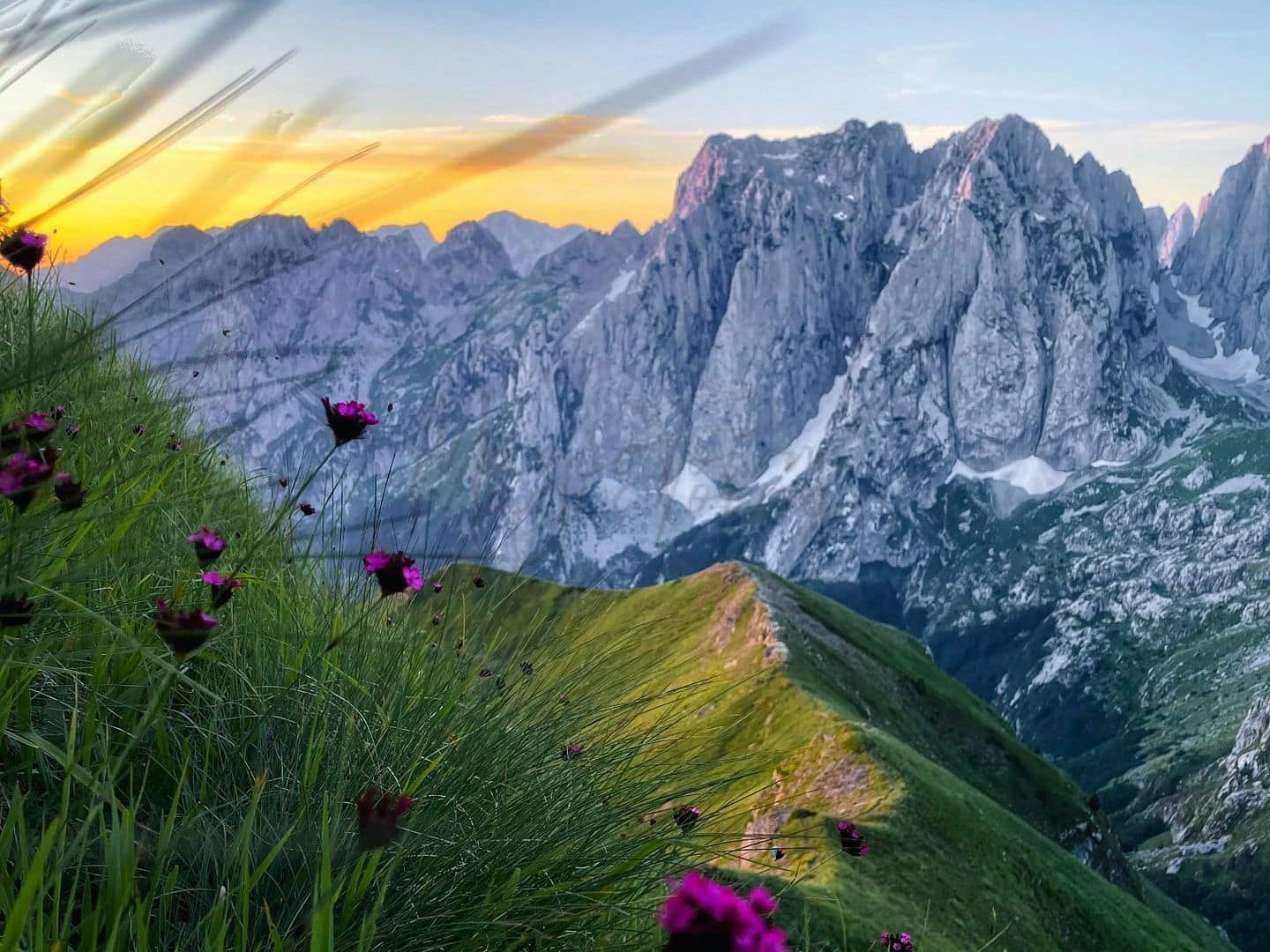
Det bedste tidspunkt at besøg Albanien is during the less-crowded months, like June and September. These months offer pleasant weather, and you get to enjoy the sights more comfortably.
Selv om vinteren i Albanien ikke er for kold, er det bedst at besøge landet i foråret eller det tidlige efterår for at opleve landets naturlige skønhed uden sommerens menneskemængder.
Sikkerhed og tryghed
Albanien er generelt en sikkert land for rejsende. I overfyldte områder er det klogt at være på vagt, især i turistområder.
Ready to Plan Your Trip?
This is your sign to book that ticket and plan your trip to Albania! We’re sure you’ll have an amazing time, and with these tips in mind, even a comfortable journey. For similar tips and a lot more valuable content on Albania, feel free to join our online community.