 Italian
  English
  French
  German
  Danish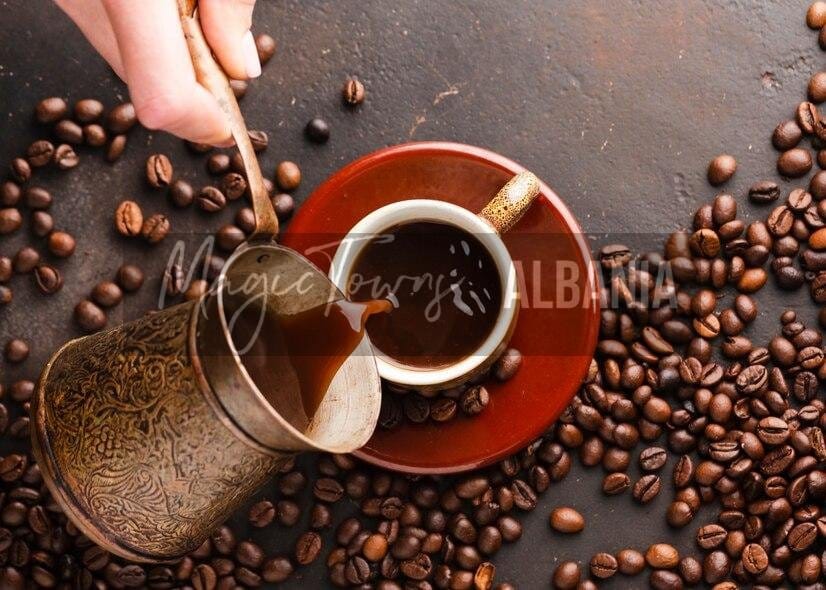
Albania is a small country in the heart of the Balkans, but it cherishes many traditions and beliefs that have been preserved through the centuries. You’ve probably heard of some of them from friends or locals, or there’s a chance you’ll find these facts new and surprising.
Ready to find them out?
Il potere protettivo dell'aglio

In Albania, garlic isn’t just used in cooking as a staple ingredient. It is also believed to be a powerful amulet against evil. This goes to the extent where some Albanians carry a clove of garlic with them to protect against the “evil eye”, or you might find them hanging somewhere in doorways, for example, in homes or ristoranti.
Questa credenza è profondamente radicata nel folklore albanese, dove l'aglio è visto come una forza potente in grado di allontanare la sfortuna e il male. Non stupitevi quindi se in Albania sarete testimoni di questa superstizione e tradizione culturale.
Bambole di pezza (Dordoleca)
Rag dolls, or, as they are called in Albanian, ‘dordoleca’, are found in many rural households. These dolls or stuffed figures, often crafted from old clothes and materials, are placed on buildings, houses, and even fields.
The primary purpose of a dordolec is to protect property from envy. These figures are believed to guard against the ill intentions of those who might wish harm upon the household or its possessions.
Cultura del caffè

Coffee is more than just a beverage in Albania. People here love to spend hours in coffee shops, chatting with friends and family, working, or reading a libro. To me, it’s like a hobby.
Coffee culture is also significant during household visits, where it’s common to be welcomed with Turkish coffee and desserts.
Paja - La dote della sposa

An interesting tradition in (some parts) of Albania is the “paja,” or the goods a bride brings to her husband’s house upon marriage. The paja typically includes household items, clothes, and other valuable possessions.
This tradition symbolizes the bride contributing to the new household and is an important part of many Albanian wedding ceremonies. Nowadays, it is not very common, especially among couples who don’t prefer carrying out a traditional ceremony.
Rituali nuziali tradizionali

Albanian weddings, held in traditional settings, are full of rituals. One such tradition is throwing rice and money at the newlyweds to wish them prosperity and abundance.
Another unique custom involves putting honey at the front door of the couple’s new home, symbolizing a sweet and happy marriage.
Ospitalità
Hospitality is a very important trait for Albanians, known as “mikpritja.” Guests are treated with utmost respect and generosity, often being offered the best food and accommodations available. This tradition of hospitality is deeply ingrained in Albanian culture and reflects the importance of comunità and family.
Fissare
Chi visita l'Albania potrebbe notare un fenomeno culturale insolito: lo sguardo fisso. È comune che la gente del posto fissi apertamente le persone, soprattutto i nuovi arrivati. Questa pratica è generalmente innocua e deriva dalla curiosità piuttosto che dalla maleducazione.
In un Paese in cui nelle piccole comunità tutti si conoscono, un volto nuovo attira naturalmente l'attenzione. Anche se all'inizio ci si può sentire a disagio, la comprensione di questo aspetto del comportamento sociale albanese può aiutare ad alleviare il disagio iniziale.
Il Kanun e il Codice d'onore
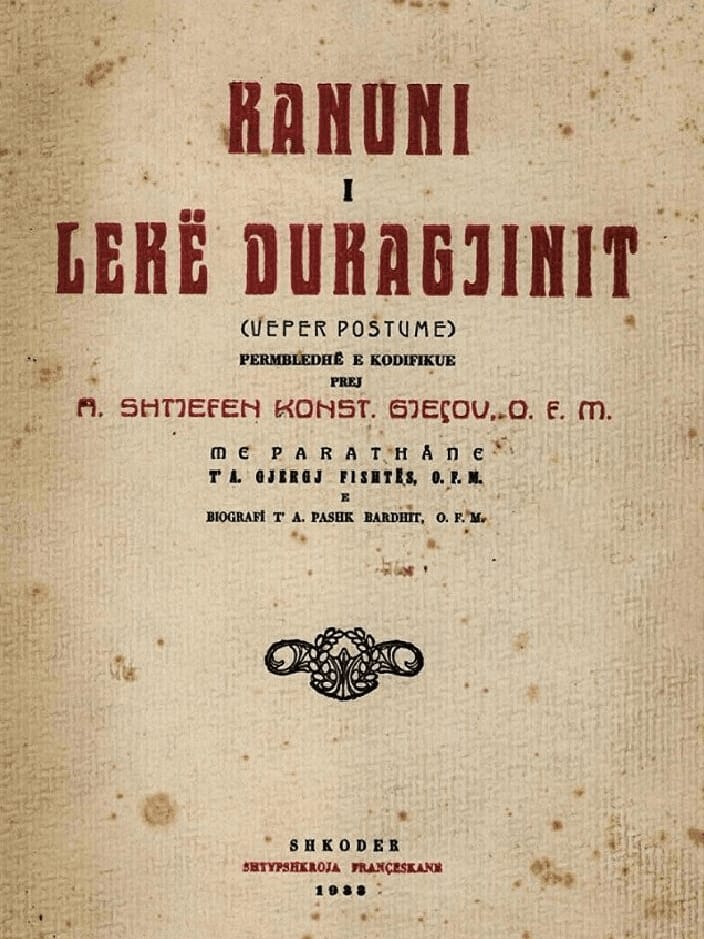
La cultura dell'Albania settentrionale è profondamente influenzata dal Kanun, un insieme di leggi e codici tradizionali che da secoli regolano il comportamento sociale. Il Kanun copre vari aspetti della vita, tra cui la famiglia, la proprietà e la condotta personale.
Uno degli elementi più importanti del Kanun è il concetto di "besa", che significa "fede" o "promessa". La besa è una promessa sacra di fedeltà e protezione, la cui violazione è considerata uno dei reati più gravi. Questo codice d'onore è ancora rispettato in molte parti dell'Albania e svolge un ruolo importante nel mantenere l'armonia sociale.
Le religioni coesistono
La tolleranza e la libertà religiosa sono comuni in Albania. Le diverse comunità religiose convivono pacificamente. Questa armonia è un punto di orgoglio per molti albanesi perché riflette una società che valorizza la diversità e il rispetto reciproco.
Auto costose

One surprising sight in Albania is the prevalence of expensive cars, particularly Mercedes-Benz vehicles. Despite the country’s economic challenges, expensive cars are a common choice among Albanians, and it’s common to find these cars everywhere in the country.
Fun fact: For many years, owning a car in Albania was not normal at all. Until the early 1990s, private car ownership was heavily restricted under the communist regime. Cars were not something people could simply buy; they were reserved almost entirely for government officials and those close to the ruling system.
Conclusione
La cultura albanese è ricca di credenze e usanze interessanti. Anche se molti potrebbero trovarle sorprendenti, queste tradizioni sono state al centro della comunità albanese per secoli e la maggior parte di esse è sopravvissuta fino ad oggi.
Have you noticed similar customs during your stay here? Let us know in the comments below. We’d love to hear your experience!
You might also want to read: 10 fatti interessanti che non conoscevate sull'Albania
È stato utile?