 French
  English
  German
  Italian
  Danish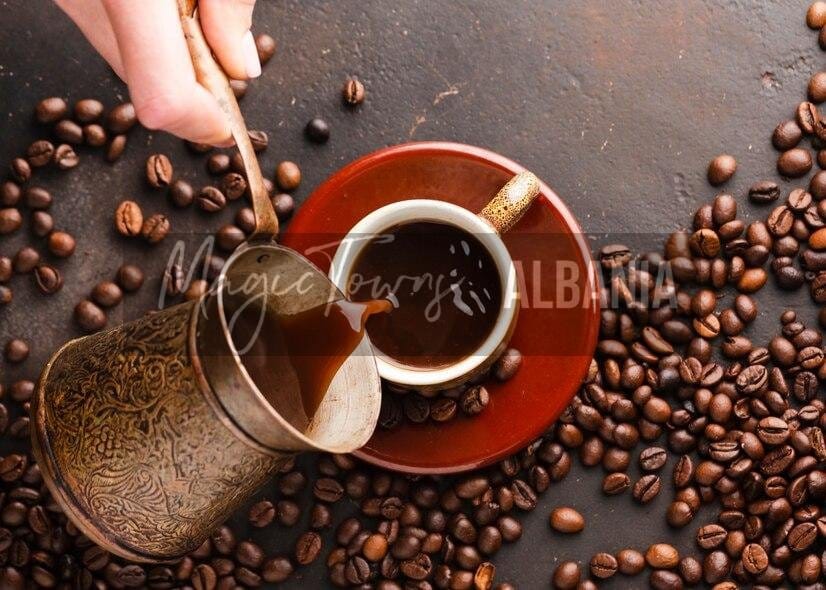
Albanie is a small country in the heart of the Balkans, but it cherishes many traditions and beliefs that have been preserved through the centuries. You’ve probably heard of some of them from friends or locals, or there’s a chance you’ll find these facts new and surprising.
Ready to find them out?
Le pouvoir protecteur de l'ail

In Albania, garlic isn’t just used in cooking as a staple ingredient. It is also believed to be a powerful amulet against evil. This goes to the extent where some Albanians carry a clove of garlic with them to protect against the “evil eye”, or you might find them hanging somewhere in doorways, for example, in homes or restaurants.
Cette croyance est profondément ancrée dans le folklore albanais, où l'ail est considéré comme une force puissante capable de conjurer le mauvais sort et le malheur. Ne soyez donc pas surpris si vous êtes témoin de cette superstition et de cette tradition culturelle en Albanie.
Poupées de chiffon (Dordoleca)
Rag dolls, or, as they are called in Albanian, ‘dordoleca’, are found in many rural households. These dolls or stuffed figures, often crafted from old clothes and materials, are placed on buildings, houses, and even fields.
The primary purpose of a dordolec is to protect property from envy. These figures are believed to guard against the ill intentions of those who might wish harm upon the household or its possessions.
Culture du café

Coffee is more than just a beverage in Albania. People here love to spend hours in coffee shops, chatting with friends and family, working, or reading a livre. To me, it’s like a hobby.
Coffee culture is also significant during household visits, where it’s common to be welcomed with Turkish coffee and desserts.
Paja - La dot de la mariée

An interesting tradition in (some parts) of Albania is the “paja,” or the goods a bride brings to her husband’s house upon marriage. The paja typically includes household items, clothes, and other valuable possessions.
This tradition symbolizes the bride contributing to the new household and is an important part of many Albanian wedding ceremonies. Nowadays, it is not very common, especially among couples who don’t prefer carrying out a traditional ceremony.
Rituels de mariage traditionnels

Albanian weddings, held in traditional settings, are full of rituals. One such tradition is throwing rice and money at the newlyweds to wish them prosperity and abundance.
Another unique custom involves putting honey at the front door of the couple’s new home, symbolizing a sweet and happy marriage.
L'hospitalité
Hospitality is a very important trait for Albanians, known as “mikpritja.” Guests are treated with utmost respect and generosity, often being offered the best food and accommodations available. This tradition of hospitality is deeply ingrained in Albanian culture and reflects the importance of communauté and family.
Staring
Les visiteurs de l'Albanie peuvent remarquer un phénomène culturel inhabituel : le regard fixe. Il est courant que les habitants fixent ouvertement les gens, en particulier les nouveaux arrivants. Cette pratique est généralement inoffensive et relève plus de la curiosité que de l'impolitesse.
Dans un pays où tout le monde se connaît dans les petites communautés, un nouveau visage attire naturellement l'attention. Même si cela peut mettre mal à l'aise au début, la compréhension de cet aspect du comportement social albanais peut aider à atténuer la gêne initiale.
Le Kanun et le code d'honneur
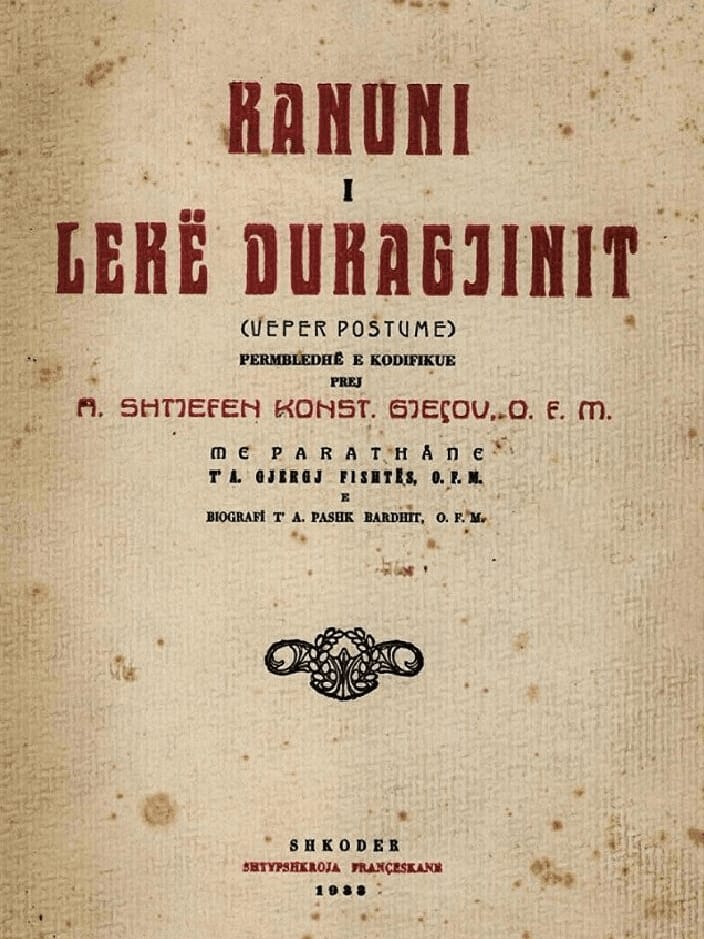
La culture du nord de l'Albanie est profondément influencée par le Kanun, un ensemble de lois et de codes traditionnels qui régissent le comportement social depuis des siècles. Le Kanun couvre divers aspects de la vie, notamment la famille, la propriété et la conduite personnelle.
L'un des éléments les plus remarquables du Kanun est le concept de "besa", qui signifie "foi" ou "engagement". La besa est une promesse sacrée de loyauté et de protection, et la rompre est considéré comme l'un des plus graves délits. Ce code d'honneur est encore respecté dans de nombreuses régions d'Albanie et joue un rôle important dans le maintien de l'harmonie sociale.
Les religions coexistent
La tolérance et la liberté religieuses sont monnaie courante en Albanie. Les différentes communautés religieuses coexistent pacifiquement. Cette harmonie est une source de fierté pour de nombreux Albanais, car elle reflète une société qui valorise la diversité et le respect mutuel.
Voitures coûteuses

One surprising sight in Albania is the prevalence of expensive cars, particularly Mercedes-Benz vehicles. Despite the country’s economic challenges, expensive cars are a common choice among Albanians, and it’s common to find these cars everywhere in the country.
Fun fact: For many years, owning a car in Albania was not normal at all. Until the early 1990s, private car ownership was heavily restricted under the communist regime. Cars were not something people could simply buy; they were reserved almost entirely for government officials and those close to the ruling system.
Conclusion
La culture albanaise regorge de croyances et de coutumes intéressantes. Bien que beaucoup de gens puissent les trouver surprenantes, ces traditions sont au cœur de la communauté albanaise depuis des siècles, et la plupart d'entre elles ont survécu jusqu'à aujourd'hui.
Have you noticed similar customs during your stay here? Let us know in the comments below. We’d love to hear your experience!
You might also want to read: 10 faits intéressants que vous ignoriez sur l'Albanie